
Clients need to be able to speak openly with their solicitors. Legal professional privilege protects qualifying communications made for the purpose of obtaining legal advice or conducting litigation. But does that protection still apply if the Solicitors Regulation Authority (SRA) is investigating the solicitor?
In Carter-Ruck Solicitors and another v Solicitors Regulation Authority Ltd [2026] EWHC 2416 (KB), the High Court held that the SRA cannot use a notice under section 44B of the Solicitors Act 1974 to compel production of material protected by a client’s legal professional privilege if the client has not waived it.
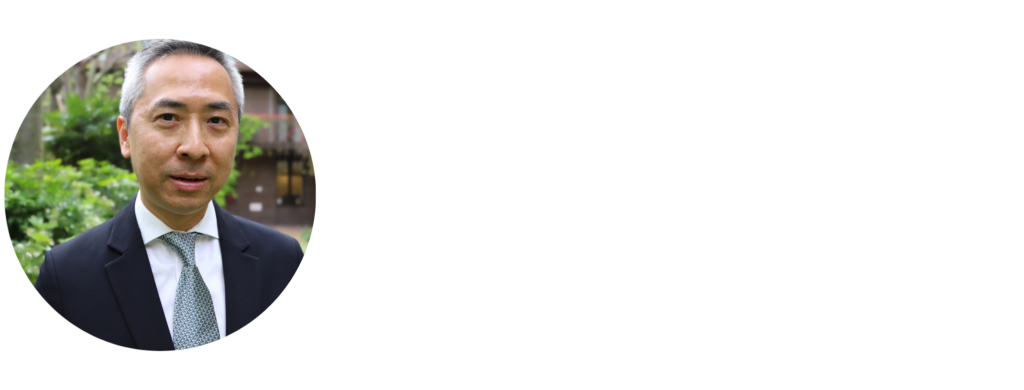
Written by Frankie Ng, Litigation Supervisor
How did the dispute arise?
The SRA was investigating Carter-Ruck and one of its partners in connection with work undertaken for a client. The firm and the client denied wrongdoing. As part of its investigation, the SRA issued notices requiring the firm to produce documents from the client’s files. The client did not agree to waive privilege, and the firm and client asked the court to decide whether the notices could compel production of privileged material.
The SRA argued that access to such material could be important when investigating complaints about a solicitor, particularly where the complaint came from someone other than the client. The court’s task was to decide whether Parliament had given the SRA that power under section 44B.
Why did the court rule against the SRA?
Legal professional privilege is the client’s right. The judge held that section 44B did not expressly override it. Nor was overriding it a necessary implication of the SRA’s power to demand documents. The fact that privileged communications might help an investigation was not enough to take away that right.
The ruling does not make an entire client file immune from an SRA request. A file can contain both privileged and non-privileged documents. It also does not prevent a client from choosing to waive privilege and provide material to the SRA, for example when making a complaint about their own solicitor.
The judgment concerns investigative notices under section 44B. The judge distinguished those notices from the SRA’s powers when it intervenes in a solicitor’s practice. The decision should therefore not be read as saying that the SRA can never obtain privileged documents through another lawful process.
What does this mean for clients?
If your solicitor is investigated, you do not automatically lose privilege over your communications with them. Under the power considered in this case, the SRA cannot compel your solicitor to hand over privileged material against your wishes.
Equally, confidentiality and privilege are different. A document is not privileged simply because it is private or marked “confidential”. Whether privilege applies depends on the nature and purpose of the communication.
The judgment gives clients reassurance on a fundamental point: their right to legal professional privilege does not disappear because their solicitor is under investigation. The court’s ruling is specific to the SRA’s section 44B power where the client has not waived that right.
Need legal advice? We’re here to help.
If you have questions about your situation or need advice on your next steps, our experienced legal team can help.
Call us on 020 7928 0276 between 9:30am and 6:00pm, or email [email protected].
You can also contact us online by completing our short enquiry form. Tell us a little about your situation and we’ll get back to you as soon as possible.
Not sure which service you need? Get in touch and we’ll help you identify the right team.