
Rental guidance updated! What do you need to know?

New guidance has been released for people renting property from a landlord, which attempts to give clarity to such tenants. This guidance must be provided to tenants who are in a shorthold tenancy which started any time after 1 October 2015. The information is helpful to both the renter and the landlord, so it […]
When it comes to whistleblowing, what is the part of protected disclosure agreements?

First off, what is a whistleblower? A whistleblower is a term used to describe a person who leaks sensitive information, reports wrongdoings, crimes, or morally questionable practices or events that occur within their own workplace. Usually, the reports are regarding people in high positions such as management or particular duties that the person has […]
Working from home renders many commercial buildings empty, but how can they be used otherwise? Consultations on development rights have begun!

Working from home has become a normal part of life due to the Coronavirus pandemic. Some will have taken to it better than others, appreciating the lack of commute or the morning rush. However, for many it is a significant challenge, having much less social interactions, being unable to meet with clients and feeling cooped […]
Gender Pay Gap Statistics for 2020 Revealed! What can we learn?

The Office for National Statistics (ONS) has published the latest report on gender pay gap statistics for 2020. There are some positives to take from the report, as it was found that for full-time employees, the pay gap fell 2.4% between April 2019–April 2020, and for all employees, the gap fell by 1.9% within the same […]
Get your property back! What does the new guidance for private landlords say about the possession action process?
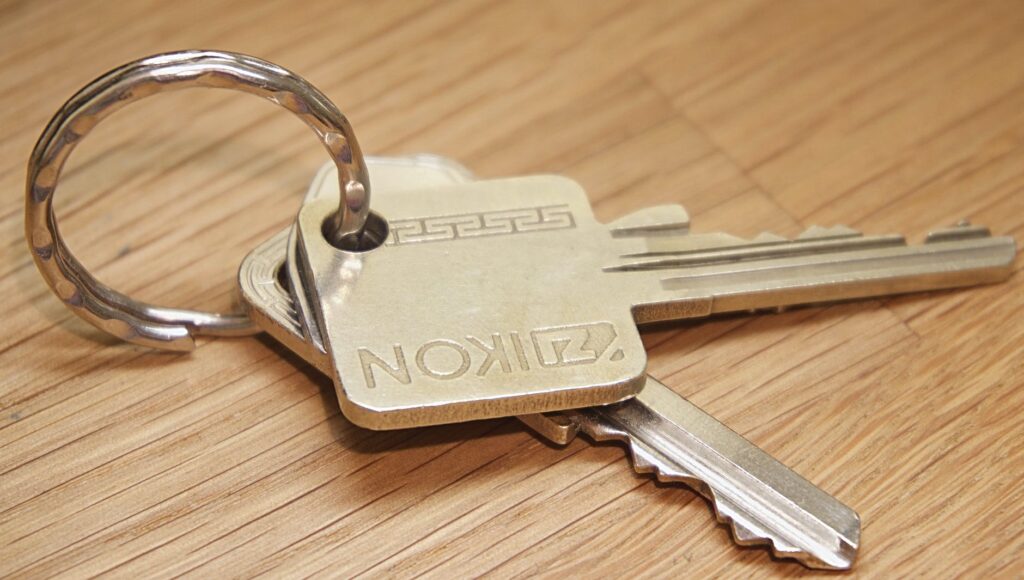
Property is a massive part of life. It is where families make homes, people raise children, or it can be simply a sanctuary to come back to after a difficult day. However, another huge aspect of the property world revolves around business, whereby landlords look to make money by allowing tenants to rent out their […]
Working with children during COVID-19 – A look at the new Legal Guidance

New legal guidance regarding working with children during the Coronavirus pandemic has been released by The Children and Family Court Advisory and Support Service (Cafcass). What do Cafcass do, exactly? Cafcass represents children in family court cases in England. They advise courts about the best interests of children and help the voices of young people […]
Foreign healthcare workers and families: what support are available to you from the Home Office?

This year has been a difficult one for many people due to the strains of COVID-19. Everyone has had to alter their way of life, people have been very ill and there has been extra pressure on healthcare professionals. Without the doctors, nurses, carers, and paramedics who dedicate their lives to helping others we would […]
Be Careful of Oral Agreements!

Written by Evveline Loh. The court had recently handed down their judgment in Coleman v Mundell [2020] EWHC 2852 in the Queen’s Bench Court around the end of last month. The case was a dispute about an oral agreement made between Mr Philip Coleman (the “Claimant”) and Mr Mundell (the “Defendant”). The Claimant […]
Child protection mediation services to be considered in England and Wales after Nuffield come forward with recommendations

The Nuffield report The Nuffield Family Justice Observatory aims to improve the lives of children and families by putting data and evidence at the heart of the family justice system. Recently, they put together a report which grouped together evidence gathered from 17 studies on child protection mediation in Australia, Canada, and the US, and […]
Home Office’s Math Puzzle: 18 Months or 540 Days? – How long is a person allowed to be away from the UK under applications for settlement based on 10 years’ lawful residence?

Written by Chuanli Ding. I had always believed that in an application for settlement based on 10 years’ lawful residence pursuant to Paragraph 276B of the Immigration Rules, as soon as the applicant has not been away from the UK for more than 180 days on any single occasion or 540 days in […]