
A Lasting Power of Attorney (LPA) is a legal document that allows you to appoint one or more trusted individuals (known as your “attorneys”) to make decisions on your behalf if you lose the ability to do so yourself in the future.
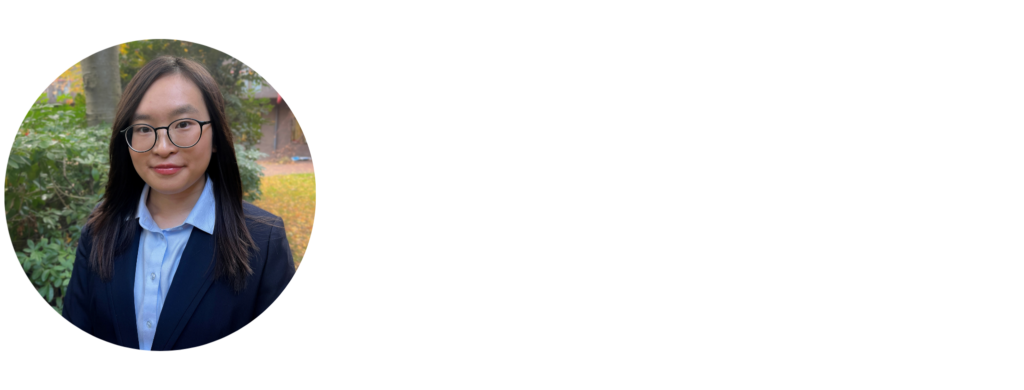
Written by Aurora Chan, Legal Assistant
The Two Types of Lasting Powers of Attorney
There are two distinct types of Lasting Powers of Attorney, each covering different aspects of your life:
- Property and Financial Affairs LPA (“Financial LPA”):
- This allows your attorneys to make decisions about all your financial affairs, such as managing your bank accounts, selling or managing your properties, paying bills etc.
- Health and Welfare LPA (“Health LPA”):
- This allows your attorneys to make decisions about what medical care you receive, your living arrangements, and your day-to-day care.
When Does an LPA Take Effect?
An LPA will generally only take effect if you lose the mental capacity to make decisions for yourself (for example, due to Alzheimer’s disease or severe illness).
However, you can set up a Financial LPA to come into effect immediately so your attorneys can act with your authority while you retain capacity. This can be helpful if you require assistance with managing your affairs due to illness or being abroad.
How is an LPA Different from Other Powers of Attorney?
Enduring Power of Attorney (EPA): This is the previous version which was replaced by LPAs in October 2007. Existing EPAs may still be valid, but new ones cannot be created.
General or Ordinary Power of Attorney (PoA): This is a temporary arrangement which can grant an attorney authority to act on your behalf for a limited period of time.
The PoA ends once you lose mental capacity, or an expiry date can be set. The PoA can also be limited to a specific task. Therefore, the PoA is more appropriate for short-term situations.
The process of making a PoA is less stringent than an LPA and it does not need to be registered.
Why Should You Make an LPA?
An LPA is an important safeguard to ensure that decisions about your finances and welfare are made by people you trust if you lose capacity. Health conditions can arise unexpectedly so advance planning is essential.
Even if you are in good health now, the Alzheimer’s Society reports that around 1 in 3 people in the UK will develop dementia during their lifetime. A range of other conditions or unexpected events can also affect your ability to make decisions.
If you do not have an LPA in place, no one has automatic authority to act on your behalf. Your loved ones may need to apply to the Court of Protection for a deputyship. The process can be time-consuming, costly and emotionally stressful.
An LPA can help prevent these complications and can also reduce the risk of disputes among family members over who should make decisions on your behalf.
When Should You Make an LPA?
An LPA must be made while you still have mental capacity, so it is advisable to arrange to make one as soon as possible.
Similar to a will, many people put off creating an LPA until it may be too late.
However, the longer you wait, the more difficult it can become, as elderly individuals may find it hard to fully understand the document’s complexities.
Verifying capacity becomes more complex with old age or poor health, which can increase the risk of disputes or challenges to the LPA.
What Can You Include in an LPA?
You are free to make decisions about your LPA. You can:
- Appoint one or more attorneys, as well as replacement attorneys;
- Decide whether attorneys act jointly or independently;
- State your “Preferences”, which act as guidance for your attorneys to consider;
- State your “instructions”, which are compulsory directions your attorney must follow; and
- In the Health LPA, specify whether your attorneys have the power to make decisions about life-sustaining treatment for you.
What is a Certificate Provider?
The LPA requires a certificate provider, whose role is to:
- Establish that you have sufficient mental capacity;
- Confirm you understand what an LPA is and its implications; and
- Verify you are making the LPA voluntarily without any pressure or undue influence from others.
This role can be fulfilled by:
- Someone who has known you personally for at least two years; or
- A professional, such as a GP, a social worker, or a solicitor.
It is advantageous to seek a legal professional to be the certificate provider, as they can also provide legal advice on LPAs and ensure the documents are properly drafted.
The Process of Making an LPA with Us
- Consultation: We will have an initial consultation with you to provide basic information and ensure you understand what an LPA is.
- Selection: Next, you will choose who to appoint your attorneys and determine how they should make decisions.
- Drafting: We will prepare the documentation to give effect to your wishes, and ensure they meet the requirements of the Office of the Public Guardian (OPG).
- Certification: We will act as the certificate provider to confirm your understanding and capacity.
- Signing: The document must be signed by you, your attorneys, and us as your certificate provider. Physical wet-ink signatures are required, so postage or travel may be necessary.
- Registration: We will submit the LPA to the OPG for registration, which typically takes 12-16 weeks, after which we will confirm the registration with you.
How can we help?
We offer a comprehensive LPA service, including:
- Initial consultation and tailored advice
- Guidance on appointing appropriate attorneys
- Assistance with structuring your LPA to reflect your wishes
- Accurate drafting to meet legal requirements
- Acting as your professional certificate provider
- Handling registration with the Office of the Public Guardian
- General estate planning advice, such as wills
If you are considering putting a Lasting Power of Attorney in place, or would like advice on the most appropriate arrangements for your circumstances, our team is here to help. Early planning can make a significant difference, and we can guide you through the process with clarity and confidence. You can find out more about our Lasting Powers of Attorney service here.
Get in touch with us today to arrange a consultation and take the first step towards protecting your future.
Have questions? Get in touch today!
Call us on 020 7928 0276, we will be taking calls from 9:30am to 6:00pm.
Email us on [email protected].
Use the contact form function on our website. Simply enter your details and leave a message, we will get right back to you: https://lisaslaw.co.uk/ask-question/
For more updates, follow us on our social media platforms! You can find them all on our Linktree right here.