
13 London Road,
London, SE1 6JZ
020 7928 0276
info@lisaslaw.co.uk

News and Insights

When the coronavirus struck and Boris Johnson placed the UK on lock-down on 23 March 2020, the UK’s housing market was left in total turmoil and potential sellers and buyers in the lurch.


Current government advice states that house viewings should be avoided. Recent guidelines issued by the Ministry of Housing, Communities & Local Government says, “Home buyers and renters should, as far as possible, delay moving to a new home”. This has further rendered the precarious housing market to an almost complete standstill.


The net effect of this lock-down reduced banks’ capacity to process loans, surveyors unable to undertake property valuations as easily and estate agents not being able to undertake viewings. Although conveyancers’ work is not critically influenced by the lock-down, the decline of capacity from the property ecosystem such as estate agents, surveyors and bankers have a knock-on effect on conveyancers.


Many conveyancers have started working electronically even before this crisis. From deducing title to contract signing, each step can be done remotely. As a forward looking firm, we have, from the company’s inception, setup our communications and case management system to allow all case workers to be contactable as usual from anywhere in the world.


Even with the advancement of technology, conveyancing work is has inevitably dried up during this lock-down due to the collapse in the property ecosystem. Throughout a property sale purchase transaction, conveyancers are the last party involved in completing the deal. Deals which conveyancers being doing right now are limited to between those who are forced to sell and those who are cash buyers.


Has the coronavirus crisis totally broken the UK’s housing market?


Since the last general election in December and the government decision on Brexit, confidence in the housing market increased. The post-Brexit market has been extremely positive as a result of this renewed confidence.


Pent-up demand from both buyers and sellers were evident early in the year where mortgage approvals reached their highest levels, but the sudden occurrence of COVID-19 has shocked the wider market at an unprecedented level. At this time, it is too early to predict when the property market will rebound but it is important to note that real estate is a necessity, therefore even with the slump in its current prices now due to the wider market shock, it’s value should recover quickly in the near future.


Looking forwards:


We live in a solution-driven society, where technology has the potential to lead the way. It is time for us to shift resources to digital channels. Estate agents are encouraging sellers intending to sell their properties to with technologically driven solutions such as real time viewings or recorded walkthrough video tours of the property. There are early indications of valuers undertaking remote valuations and banks accepting such valuations. This is testament of the resilience, innovation and the adaptability of the industry.


Whilst activity may have slowed significantly, when the market starts up, forward looking firms will be the ones who will be best positioned to assist with client’s legal matters. With our firm’s utilisation cloud-based case management system, our caseworkers will be able to access client’s file wherever they are. Our client care is unaffected with our utilisation of internet-based telephone system enables all phone calls to be transferred as usual even during the lockdown.


With the new Android and Apple supported mobile app, our firm has provided another method of communication to our potential clients.


Our new app:


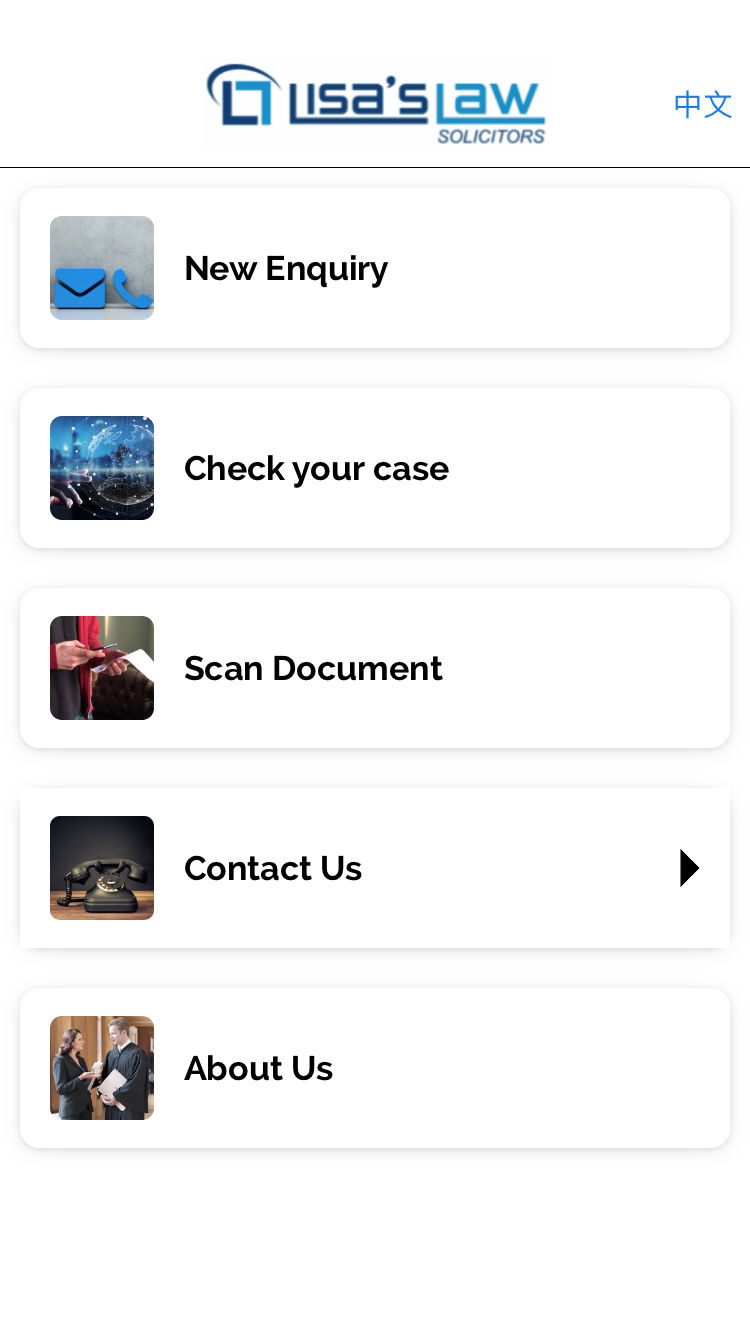
We have developed a brand new mobile app which is available on both iPhone and Android smart phones as well as tablets, which you can download for free on the App Store and Google Play, just search for ‘Lisas Law’ and it will come up!


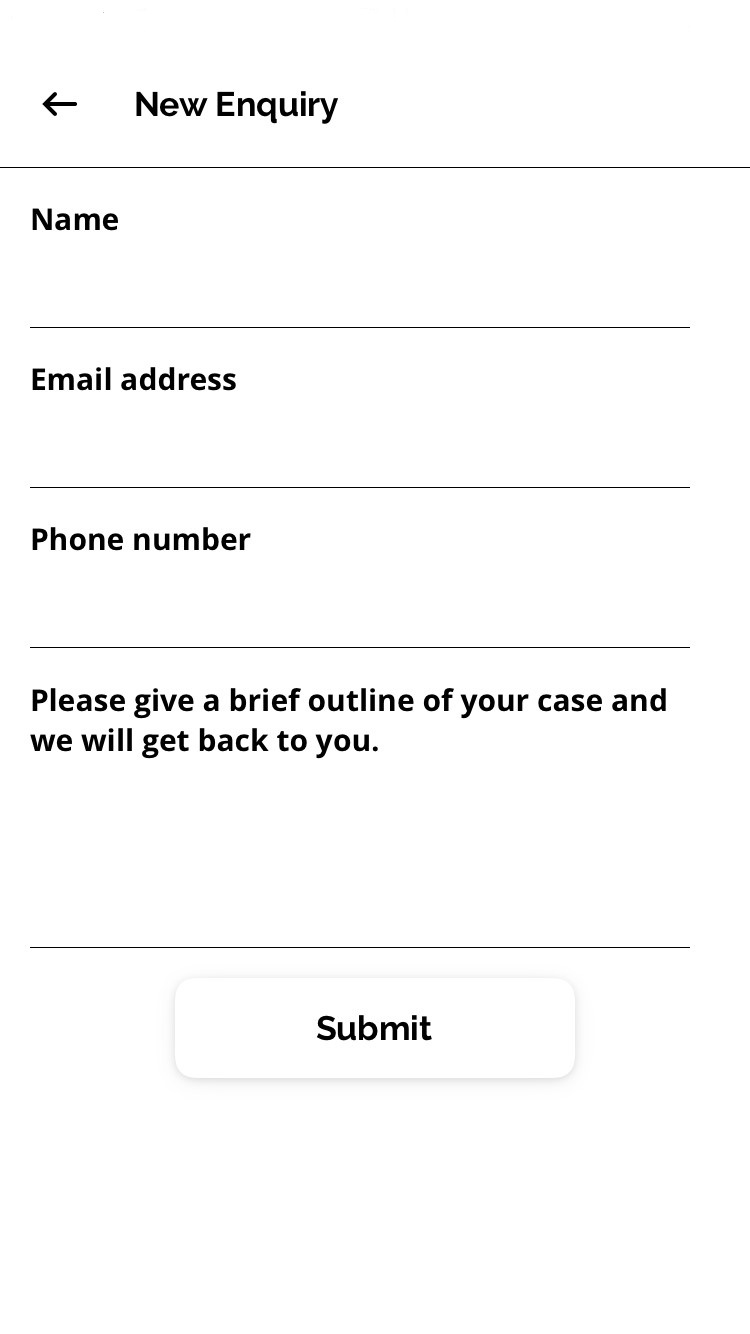
On this app clients new and old will be able to launch a New Enquiry with us by filling out a simple and quick form, which will be sent directly to us – it couldn’t be easier!


Once the case is underway clients can keep up with all the developments using the Check Your Case function. They will know exactly what stage their case is at in seconds, with a touch of a button.


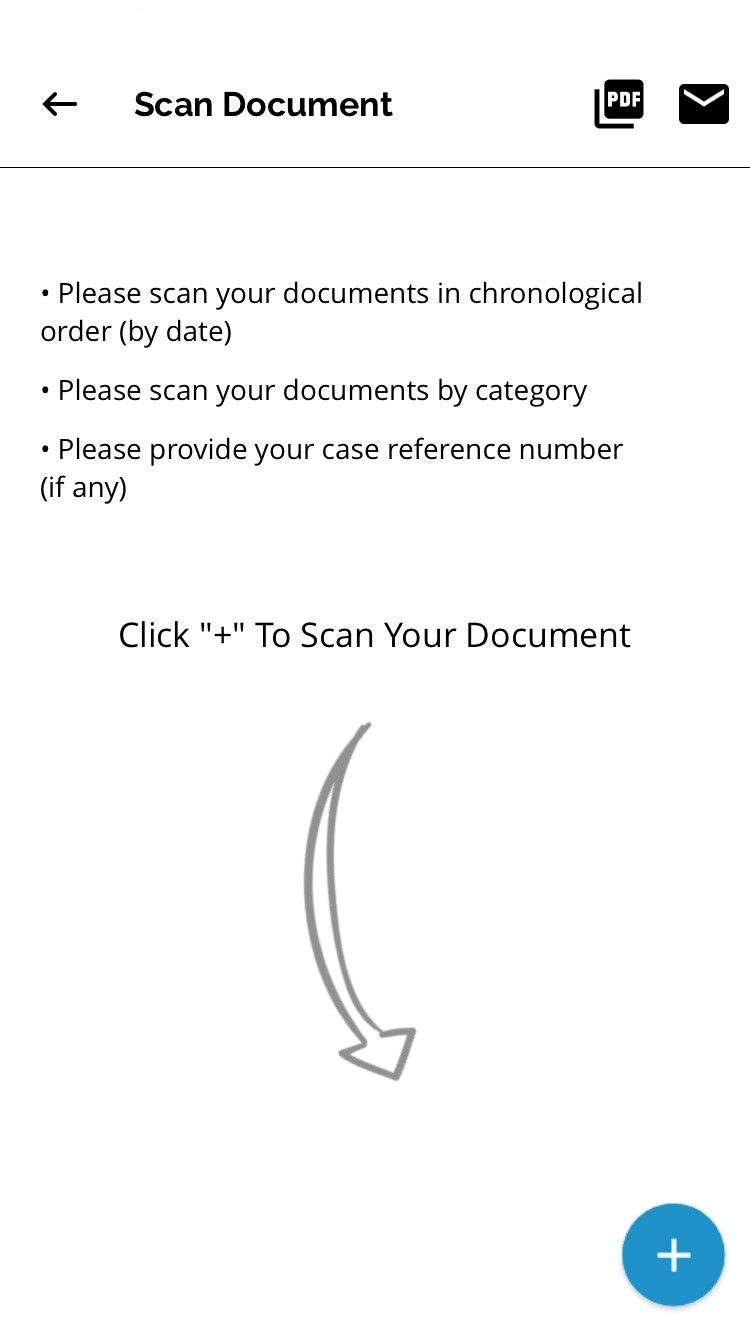
Getting important information over to us has been streamlined as well, with the innovative Scan Document function. Clients will be able to scan multiple documents at a time, hit one button to convert them into pdf format, then one more button to send them directly to us. It’s so simple!


We are ready for anything


The coronavirus has majorly affected all parts of our society, but we are confident that with these new technologies in place we can keep on working as normal, with the same care and expertise as usual!


We are here for all your legal needs. During these difficult times, we can be counted on!


Looking for a solicitor does not mean that you have to risk leaving your home.


Want to know more? Contact us!


We are operating as usual, and are on hand to help with any legal enquiries you have.


Call on 020 7928 0276, or email into info@lisaslaw.co.uk.


Follow us on FacebookTwitter and LinkedIn


author avatar
lisaslaw@web

Amendments have been made to the practice and case management rules around Child Abduction Proceedings due to the COVID-19 outbreak. The new guidance will be in place until further notice.


International Child Abduction and Contact Unit:


The ICACU staff are now operating remotely and are encouraging other Central Authorities to submit applications by e-mail as ICACU has no physical presence at their offices in line with the current Government guidance on social distancing. Documents sent by regular post will not be received.


The ICACU general email address for new applications and enquiries is ICACU@ospt.gov.uk.


The Legal Aid Agency:


The LAA are currently operating as usual; however, obtaining evidence for financial assessments for applicants may present difficulties during this time. Appreciating the situation, the LAA has usefully issued extra guidance, which is available here.


Issue Procedure – All Applications:


All applications will be treated as without notice applications and will be heard in the urgent applications court. The restriction on such applications has been suspended.


The public counter in the Clerk of the Rules office is currently closed due to the national health emergency. Solicitors, who have an HMCTS payment account, commonly called a PBA, electronic issuing is possible via rcj.familyhighcourt@justice.gov.uk.


The application notice or the covering email should indicate that it is an application to be issued electronically and should contain the following in the email subject line: URGENT: NEW 1980 HAGUE CONVENTION APPLICATION FOR ISSUE. Otherwise, the applicant will need to invite the court to address the question of the issue of proceedings in the first order (and a provision included in the draft).


Service:


Parties will be permitted to serve orders prior to them being sealed by the office of the Clerk of the Rules. Each order will be endorsed with a statement that the order is effective without a seal and may be served pending the court sealing the order.


Effecting personal service should only be attempted if safe so to do. Otherwise, service by e-mail or posting through letterbox will be considered sufficient in the first instance (and a provision to this effect should be included in orders), subject to any other direction of the court.


Child Abduction Mediation Scheme:


The operations of the court based Child Abduction Mediation Scheme are suspended only insofar as they provide for face to face mediation at court. The Child Abduction Mediation Scheme will continue in all other respects to be operated by Reunite remotely.


Each party will be expected, prior to the first on notice hearing, to make contact with Reunite by email on reunite@dircon.co.uk or by telephone on 0116 2555 345 in order to consider mediation.


Participation of Child:


The Cafcass High Court Team are able to, and have commenced interviewing children remotely. The Cafcass High Court Team has access to Skype for Business to permit them to give evidence by way of video.


Likewise, papers will be received electronically and henceforth all papers should be provided to them in electronic format. The email address is highcourtgm@cafcass.gov.uk.


Hearings:


Hearings, unless there is a direction by the Judge otherwise, will take place remotely (that is to say the Judge, the parties and, where relevant, their representatives, will attend the hearing in different locations but by means of technology). Upon such an order being made, each party and/or their representatives must take immediate steps to obtain or ensure that they have access to appropriate technology in preparation for that hearing.


No less than 48 hours before the hearing the solicitor for the applicant is expected to contact the respondent or his or her legal representative to make arrangements for the hearing to take place remotely if required and to co-ordinate those arrangements with the court (and with any interpreters if required). Where the respondent does not have access to a computer, the hearing will take place by telephone conference.


Tipstaff:


Tipstaff orders will still be available in the usual way and the Tipstaff will continue to discharge his responsibilities, subject always to any operational constraints imposed by the current public health emergency and any current or future Government guidance. The Tipstaff office can be contacted by telephone on 020 7947 6200.


Tipstaff requires a sealed order for the discharge of existing port alerts and passport orders. Unsealed orders will not suffice. In the circumstances, Tipstaff orders will need to be sent directly from the Judge/Clerk/Associate to the Tipstaff once sealed.


Priorities within court during coronavirus:


Below are two lists which differentiate priority between certain types of cases:


Want to know more? Contact us!


We are operating as usual, and are on hand to help with any legal enquiries you have.


Call on 020 7928 0276, or email into info@lisaslaw.co.uk.


Follow us on FacebookTwitter and LinkedIn!



author avatar
lisaslaw@web

The demand for wills has understandably increased since the outbreak of the coronavirus, with more people starting to contemplate their end of life plans. Financial consultancy firm deVere Group have revealed that the demand for wills jumped by 76% in the past fortnight alone.


People want to make sure everything is in place so their estate will be handled and passed on correctly to the right people, and a health pandemic such as the coronavirus only adds to the desire to see it done.


However, the social distancing rules currently in place due to COVID-19 make executing wills a definite challenge at this time.


In accordance to current laws (which have been the same since 1837!), the correct execution of a will must involve the following:


  • The will must be in writing
  • It must be signed by the testator or by some other person in his/her presence and by his/her direction
  • It must give the appearance that the testator intended by their signature to give effect to the Will
  • The will must have a signature made or acknowledged by the testator in the presence of two or more witnesses present at the same time
  • It must be witnessed and each witness must attest and sign the Will or acknowledge their signature, in the presence of the testator (but not necessarily in the presence of any other witness).


The effect of COVID-19:


After government advice to avoid social contact, some of these rules are harder to follow. Being in the same room with people, who are all able to clearly observe the signing of documents is now ill advised. There is also likely some travelling to be involved as well, which many people will not be comfortable with.


In these circumstances, it will be difficult to meet the requirement for a testator to sign a Will in the presence of two witnesses present at the same time and for the testator to then be present when those witnesses attest and sign (or acknowledge) the testator’s signature. Presence includes both physical and mental presence.


What about using video?


This is an obvious alternative, but video conferences or communicating over the phone have not been confirmed by the government as an acceptable option. There is currently no confirmation that e-signatures will be accepted either.


This clearly puts many legal practitioners in an awkward situation, as it may not be possible to comply with the government’s guidance to reduce social contact while also arranging for wills to be validly signed.


Our processes of executing wills:


Until alternate measures, if they are indeed coming, are put in place during the coronavirus crisis there is no choice but to follow the existing legal procedures.


There are three routes you can follow with us to execute your will:


  • At our office – We are very happy to be your witnesses and assist you executing the will. We do not charge for the service.


We will be vigilant in keeping a minimum of 2m distance, as recommended by the government. So long as we are able to clearly see the documents being signed, it is no problem.


  • At your home or other place you prefer but in our presence – If you prefer or require, our caseworkers will travel to your home to assist you in the execution of your will. In this case, we will have to charge you our reasonable fees for travelling to and from your home.


Again, the 2m distance will be kept and business will be conducted swiftly to avoid unnecessary contact.


  • Execution in our absence – If you choose to execute your will in our absence, you need to pay attention to the following points:


You need to have two witnesses who are:


  • over 18 years old (but not very old so that some senses are impaired)
  • in good health
  • not blind
  • easy to trace and have full home addresses
  • not your beneficiaries/potential beneficiaries or their spouses/civil partners or other person who are closely related to them


When executing:


  • you should only sign the will in the presence of both witnesses;
  • they should also sign it in your presence simultaneously and with the same pen; and
  • none of your beneficiaries/potential beneficiaries in your will or their spouse/civil partners/same sex partners shall be present when executing.


After execution, please send us your will immediately and we will check whether it has been properly executed.


Should you have further query on the execution of your will, please do let us know immediately.


Will drafting


We are very experienced in drafting wills, should you need one. Our team is operating as usual and are ready to take on new instructions.


Our pricing is extremely competitive in this area, with a fully drafted simple will costing only £180 and simple mirror wills at £210.


Have questions? Contact us!


We have a dedicated team of legal specialists ready to advise and guide you through any will based questions you might have.


Call on 020 7928 0276, or email into info@lisaslaw.co.uk.


Follow us on FacebookTwitter and LinkedIn!

author avatar
lisaslaw@web

After considerable consultation on the impact of COVID-19, the court service has suspended all ongoing housing possession proceedings until June 25th 2020 – this means that neither cases currently in nor those about to start can progress to the stage where someone could be evicted.


This suspension will apply to those in both England and Wales and will initially last for 90 days but can be extended if needed. This measure will cover all private and social renters, as well as those with mortgages and those with licenses covered by the Protection from Eviction Act 1977.


This is to give people peace of mind during the coronavirus crisis that they will not end up homeless.


Landlords will have to give all renters 3 months’ notice if they intend to seek possession (i.e. serve notice that they want to end the tenancy) – this means the landlord cannot apply to start the court process until after this period.


Previous inconsistency:


These measures have been introduced in part due to inconsistency between courts on the issue since the coronavirus outbreak. The approach by county courts were very disjointed with some courts adjourning cases for three months, and others adjourning only for a few days or weeks, which is obviously very unfair.


Rent to be paid as normal:


The last thing that the government would want is for people to abuse this measure and use it as an excuse not to pay rent.


Government advice regarding this states:


Tenants are still liable for their rent and should pay this as usual. If they face financial hardship and struggle to pay this, support is available. In the first instance they should speak to their landlord if they think they will have difficulty meeting a rental payment, and in this unique context we would encourage tenants and landlords to work together to put in place a rent payment scheme.


Measures are being actioned to ease this situation and help both landlords and tenants:


  • The government are working with the Master of Rolls to strengthen the pre-action protocol requirement and also extend this to the private rented sector. This will help landlords and tenants to agree reasonable repayment plans where rent arrears may have arisen.
  • The government have already made £500 million available to fund households experiencing financial hardship.
  • As part of the employee’ support package, the Chancellor announced the government will pay up to 80% of an employee’s wages, up to a total of £2,500 per month, where employees are placed on the Coronavirus Job Retention Scheme.
  • Both Universal Credit and Housing Benefit will increase from April and Local Housing Allowance rates will pay for at least 30% of market rents in each area.


What support is there for landlords?


Landlords will be protected by a 3 month mortgage payment holiday where they have a Buy to Let mortgages.


Landlords remain legally obligated to ensure properties meet the required standard – urgent, essential health and safety repairs should be made.


An agreement for non-urgent repairs to be done later should be made between tenants and landlords. Local authorities are also encouraged to take a pragmatic, risk-based approach to enforcement.


This is not forever:


This is an administrative decision by the senior judiciary. It is a suspension, for a limited period of time. Everything will restart as normal when the suspension is lifted.


It does not cover everyone:


It does not cover those whose occupation is excluded from statutory protection or the Protection from Eviction Act. This means lodgers, homeless applicants housed under licence under the Housing Act 1996, and some people where accommodation is part of their employment (best to check with your employer regarding this).

Have questions? Contact us!


We have a dedicated team of legal specialists ready to advise and guide you through any property issues or questions you have.


Call on 020 7928 0276, or email into info@lisaslaw.co.uk.


Follow us on FacebookTwitter and LinkedIn!

 

author avatar
lisaslaw@web

Whether it’s buying your first home, moving to a new location or selling a property that you’ve wanted to get rid of for years, navigating the property market can be a massively stressful and financially significant experience.


With the added complications of the coronavirus, this process is now even more challenging; many people have been discontinuing or pausing their progress on buying and selling properties.


What is the official advice?


The general advice is to stay put if possible. The government has urged people not to move house to try to limit the spread of coronavirus across the UK. This is in-line with other Home Office guidance surrounding the virus, which is all in place to stall the spreading of COVID-19.


Housing Secretary Robert Jenrick’s department has said:


“Homebuyers and renters should, where possible, delay moving to a new house while measures are in place to fight coronavirus.”


Where deals are already in place, or nearly finalised, the government has said “there is no need to pull out of transactions” but that the health of the people involved in the deal should be the primary concern.


Empty properties are less of an issue:


If a property is vacant, people can continue with the transaction, although they must ensure they are following guidelines with regards to home removals. For example, staying 2m apart from other people involved in the moving process.


Amicable delays are encouraged:


Where the properties in question are still occupied, and would require removal workers, or a large amount of effort to clear the buildings and transport both furniture and people from one home to another, the government has urged people to amicably delay moving dates. This is clearly the most logical option, and should be done if at all possible.


If your home is not yet on the market:


Government advice is as follows:


Getting your home onto the market may be more challenging than usual in this period. There should be no visitors to your home. You can speak to Estate Agents over the phone and they will be able to give you general advice about the local property market and handle certain matters remotely but they will not be able to start actively marketing your home in the usual manner.


  • If you are thinking about selling, you can use this time to start gathering together all of the information you will need to provide to potential purchasers
  • Advice for people to stay at home and away from others means you should not invite unnecessary visitors into your home, including: Property Agents to carry out a market appraisal or take internal photographs prior to marketing your home; and Energy Performance Certificate assessors.


Information that you can gather during this isolation period are things such as:


  • Energy Performance Certificate (EPC)
  • Any planning permission and/or building control certificate for any extension/improvement work carried out to the property
  • Any warranty for any refurb, extension, improvement work such as electrical work, central heating, roofing, timber treatment, damp proofing, solar panel installation, window or door installation etc
  • Central Heating – Gas safety register or CORGI
  • Electricity – Electrical Safety Cert


Viewings are not a good idea


This should not come as a surprise in the current climate. If your property is already on the market, you can continue to advertise it as being for sale but you should not allow people in to view your property.


  • There should not be any visitors into your home, and you should therefore not let people visit your property for viewings. Your agent may be able to conduct virtual viewings and you could speak to them about this possibility.


Accepting offers


The buying and selling process can continue during the coronavirus but you should be aware that the process is likely to take longer than normal.


  • You are free to continue to accept offers on your property, however the selling process may take longer due to added complications with the coronavirus.
  • Advice for people to stay at home and away from others means you should not invite visitors into your home, including prospective buyers or advisors.


Exchanging contracts


Once you have exchanged contracts, you have entered into a legal agreement to purchase that home.


  • If the property you are purchasing is unoccupied you can continue with the transaction.
  • If the property you are purchasing is currently occupied, it is  recommended that all parties should work to either delay the exchange of contracts until after the period where stay-at-home measures to fight coronavirus (COVID-19) are in place, or include explicit contractual provisions to take account of the risks presented by the virus.


What if an extension goes beyond the terms of a mortgage agreement?


UK Finance have already confirmed that, in order to support customers who have already exchanged contracts for house purchases and set dates for completion, all mortgage lenders are working to find ways to enable customers who have exchanged contracts to extend their mortgage offer for up to three months to enable them to move at a later date.


Banks are concerned


Lenders are very concerned about the effect of the pandemic on valuations, and are less likely to give out loans.


Banks are also worried about granting mortgages during this period of extreme economic uncertainty, as expected.


Lenders such as Virgin Money and Skipton Building Society, have suspended all new mortgage applications for house purchases until the crisis has passed.


Halifax has also stopped offering mortgages to buyers without 40 percent deposits.


We are here to help!


We have a dedicated team of conveyancing specialists ready to advise and guide you through any property issues or questions you have.


Call on 020 7928 0276, or email into info@lisaslaw.co.uk.


Follow us on FacebookTwitter and LinkedIn!



author avatar
lisaslaw@web

In response to the increasing severity of the COVID-19 outbreak, the Home Office have altered their immigration policy to allow those with visa’s soon to expire or without status to apply for extension or switch into other type of visas without having to leave the UK, in order to alleviate mass anxiety surrounding this issue.


New rules allow those with illegal status, visitor visas and others to apply directly to other long-term visas from within the UK.


According to the current immigration laws, people with illegal residence status are not allowed to apply for status in the UK unless they are under special circumstances (such as a person with minor children who are either British citizens or have continuously been living in the UK for 7 consecutive years or longer).


In order to live legally in the UK, these people generally need to leave the UK and then apply for relevant visas from their home countries.


What’s more, even people with valid visas in the UK cannot, in many cases, apply to switch into other types of visas in the UK. For example, people on visitor visas cannot simply and seamlessly switch to other types of visas, like spouse visa or Tier 2 work permit visas. They normally need to apply for such visas in their countries of origin.


What changes with the new policy?


According to the newly issued policy by the Home Office, in the above scenario, people may now apply for the relevant visa directly from within the UK, or apply to switch to another visa or renew their current visa.


However, it is important to remember that although applicants do not need to leave the UK to apply, they still need to meet the other requirements for the relevant type of visas.


For example, a person applying for a spouse visa needs to provide A1 English certificate, evidence showing an annual income of no less than £18,600 for one applicant, adequate accommodation and genuine relationship. Tier 2 work permit applicants need to meet at least the minimum wage specified by the Home Office in the relevant category and B1 English certificate.


It is likely that the following persons will benefit from the new policy on this issue:


  • Those who illegally reside in the UK, who meet the requirements for applying for a spouse, but do not want to return home to apply.
  • Visitor visa holders in the UK, who meet the requirements for applying for other visas, such as Tier 2 work visa, sole representative for overseas companies, innovator visa, etc.
  • Holders of other types of visas who want to switch visas.


All visas are automatically extended until May 31


For visa extensions the official guidance says:


If you’re in the UK and your leave expires between 24 January 2020 and 31 May 2020, your visa will be extended to 31 May 2020 if you cannot leave the UK because of travel restrictions or self-isolation related to coronavirus (COVID-19).


The Home Office’s guidance continues:


You must contact the Coronavirus Immigration Team (CIT) to update your records if your visa is expiring.


You should provide:


  • your full name (include any middle names)
  • date of birth (dd/mm/yyyy)
  • nationality
  • your previous visa reference number
  • why you can’t go back to your home country, for example if the border has closed


The Home Office will let you know when your request is received and when your visa has been extended.


This new policy includes those whose visas have expired or are about to expire before May 31.


They do not need to make any application at present. They just need to make a simple registration according to the information provided by the Home Office.


By the policy, during this period, their stay in the UK will be lawful, despite that their visas have expired. It will not have any impact on future status applications.


Of course, if these people are eligible for other visas, they should apply as soon as possible and before their visas expire.


It should be noted that the policy does not provide any protection for those Chinese nationals whose visas had expired before January 28, 2020. They will be treated as overstaying in the UK.


Visitor visas:


If a person’s visitor visa has not expired, but he/she has spent more than the permitted 180 days in the UK, the new policy provides that he/she can continue to stay in the UK lawfully up to 31 May.


Reducing worries and anxieties:


It must be said that the new policy will reduce the anxiety of many, and provide a reasonable application channel, so that those who meet the conditions no longer need to risk their lives, leave the UK and then apply to come back again. They can directly apply from within the UK.


Limited time only:


The policy only offers some respite for a short amount of time, until the end of May. The coronavirus is likely to have a global impact for longer than this time-frame. Ideally, the automatic extension should be for at least six months, not two months. It will not take long before people start worrying their status again.


However, the good thing is, the Home Office have said they will revise these rules and possibly offer further extensions if need be.


As usual, let’s keep our fingers crossed.


We can help!


We are operating as usual and are here to help you in these difficult times, with specialist solicitors on hand to guide you every step of the way.


Call on 020 7928 0276, or email into info@lisaslaw.co.uk.


Follow us on FacebookTwitter and LinkedIn!



author avatar
lisaslaw@web

The situation for people who are in the UK on an expiring visa and unable to leave because of travel restrictions is a very serious one, which the government has now addressed.


The official guidance says:


If you’re in the UK and your leave expires between 24 January 2020 and 31 May 2020:


Your visa will be extended to 31 May 2020 if you cannot leave the UK because of travel restrictions or self-isolation related to coronavirus (COVID-19).


The Home Office’s guidance continues:


You must contact the Coronavirus Immigration Team (CIT) to update your records if your visa is expiring.


You should provide:


  • your full name (include any middle names)
  • date of birth (dd/mm/yyyy)
  • nationality
  • your previous visa reference number
  • why you can’t go back to your home country, for example if the border has closed


The Home Office will let you know when your request is received and when your visa has been extended.


The extensions will last until 31 May, but ministers have said the situation would be kept under regular review in case further extensions are needed.


A dedicated Covid-19 immigration team has been set up within the Home Office to make the process as “straightforward as possible” for visa holders.


Switching visas:


The guidance also includes information on switching visas, it says:


If you’re applying to stay in the UK long-term


During these unique circumstances you’ll be able to apply from the UK to switch to a long-term UK visa until 31 May. This includes applications where you would usually need to apply for a visa from your home country.


You’ll need to meet the same visa requirements and pay the UK application fee.


This includes those whose leave has already been automatically extended to 31 March 2020.


You can apply online. The terms of your leave will remain the same until your application is decided.


ACTING QUICKLY IS KEY HERE, THESE OPTIONS MAY NOT LAST FOR LONG!


We can help!


We are here to help you in these difficult times, with specialist solicitors on hand to guide you every step of the way.


Call on 020 7928 0276, or email into info@lisaslaw.co.uk.


Follow us on FacebookTwitter and LinkedIn!

 

author avatar
lisaslaw@web

The government has announced details of their support schemes for businesses during this difficult time, as you may have read about in our previous article here.


Businesses of all shapes and sizes may have been forced to close their doors for the foreseeable future in a bid to stop the spread of COVID-19.


While this is for the best, it does leave many business owners and employees worried about their income and hoping this virus will not mean shutting down for good, or finding themselves unemployed.


Many people are not certain on some aspects of the schemes, so this article will explain some of the main options and their eligibility requirements.


Coronavirus job retention scheme:


This is a very important scheme for employers who are forced to consider making redundancies in their firms.


With this scheme, the government will pay up to 80% of a workers usual salary (up to £2,500 per month) for those employees that would otherwise have been laid off during this crisis.


All UK businesses will be eligible to apply, and the government are working urgently to set up a system of reimbursement.


To use this scheme, employers will have to do the following:


  • designate affected employees as ‘furloughed workers,’ and notify their employees of this change – changing the status of employees remains subject to existing employment law and, depending on the employment contract, may be subject to negotiation. We can advise you on this issue.
  • submit information to HMRC about the employees that have been furloughed and their earnings through a new online portal (HMRC will set out further details on the information required)


Coronavirus Business Interruption Loan Scheme:


This is for Small or Medium sized businesses (SME’s), and means they can access to working capital (including loans, overdrafts, invoice finance and asset finance) of up to £5 million in value and for up to 6 years.


Key features of the scheme:


  • Up to a £5m loan: The maximum value of a facility provided under the scheme will be £5m. The repayment terms will last up to six years.
  • 80% guarantee: The scheme provides the lender with a government-backed, partial guarantee (80%) against the outstanding facility balance. There will be an overall cap for each lender.
  • No guarantee fee for SMEs to access the scheme: No fee for smaller businesses, instead the lenders will pay a fee to access the scheme.
  • Interest and fees paid by Government for 12 months: This means smaller businesses will benefit from no initial costs and lower early repayments.
  • It is very important to remember that the borrower always remains 100% liable for the debt.


You are eligible for the scheme if:


  • your business is UK based, with turnover of no more than £45 million per year
  • your business meets the other British Business Bank eligibility criteria (we can advise on this)


How to access the scheme:


The scheme is now open for applications. To apply, you should talk to your bank or one of the 40 accredited finance providers (not the British Business Bank) as soon as possible, to discuss your business plan. You can find out the latest on the best ways to contact them via their websites.


All major banks are offering this scheme. If you have an existing loan with monthly repayments you may want to ask for a repayment holiday to help with cash flow.


Support for businesses that pay little or no business rates:


A Small Business Grant Scheme is being set up to fund local authorities supporting small businesses that already pay little or no business rates because of small business rate relief (SBBR), rural rate relief (RRR) and tapered relief.


This will provide a one-off grant of £10,000 to eligible businesses to help meet their ongoing business costs.


You are eligible if:


  • your business is based in England
  • you are a small business and already receive SBBR and/or RRR
  • you are a business that occupies property


How to access the scheme


You do not need to do anything. Your local authority will write to you if you are eligible for this grant.


Guidance for local authorities on the scheme will be provided shortly, by the Home Office.


Any enquiries on eligibility for, or provision of, the reliefs and grants should be directed to the relevant local authority.


Find your local authority.


Support for retail, hospitality and leisure businesses that pay business rates


Business rates holiday for retail, hospitality and leisure businesses


The government will introduce a business rates holiday for retail, hospitality and leisure businesses in England for the 2020 to 2021 tax year.


Businesses that received the retail discount in the 2019 to 2020 tax year will be rebilled by their local authority as soon as possible.


You are eligible for the business rates holiday if:


  • your business is based in England
  • your business is in the retail, hospitality and/or leisure sector


Properties that will benefit from the relief will be occupied hereditaments that are wholly or mainly being used:


  • as shops, restaurants, cafes, drinking establishments, cinemas and live music venues
  • for assembly and leisure
  • as hotels, guest & boarding premises and self-catering accommodation


How to access the scheme


Nothing to do now. This will apply to your next council tax bill in April 2020. However, local authorities may have to reissue your bill automatically to exclude the business rate charge. They will do this as soon as possible.


You can estimate the business rate charge you will no longer have to pay this year using the business rates calculator.


Cash grants for retail, hospitality and leisure businesses


For businesses in the retail, hospitality and leisure sectors with a rateable value of under £15,000, they will receive a grant of £10,000.


For businesses in these sectors with a rateable value of between £15,000 and £51,000, they will receive a grant of £25,000.


Eligibility


You are eligible for the grant if:


  • your business is based in England
  • your business is in the retail, hospitality and/or leisure sector


Properties that will benefit from the relief will be occupied hereditaments that are wholly or mainly being used:


  • as shops, restaurants, cafes, drinking establishments, cinemas and live music venues
  • for assembly and leisure
  • as hotels, guest and boarding premises and self-catering accommodation


How to access the scheme


Nothing to do now. Your local authority will write to you if you are eligible for this grant.


Contact us!


We are open for business and are taking instructions as usual. We are here to advise on any business enquiry you have, as well as all other legal issues.


Call on 020 7928 0276, or email into info@lisaslaw.co.uk.


Follow us on FacebookTwitter and LinkedIn!

author avatar
lisaslaw@web

The coronavirus outbreak is slowing the UK down in many ways, but it is not having an effect on our relentless work ethic and desire to deliver an excellent legal service to our clients.


In fact, quite the opposite! We are welcoming any new cases in the following areas, as well as continuing our cases within immigration and property law:


  • Business and employment disputes
    • Coronavirus affecting your business?
    • Unsure about where you stand with employees?
    • Need help understanding sick leave and other workplace issues?
    • Need to know your employers / employees’ rights?
    • Need help to resolve sales and contractual terms disputes for delays and breaches?


We can help!


  • Banking and claims disputes
    • Feel like you are getting treated unfairly?
    • Had disagreements with banks / lenders?
    • Feel like you have been overcharged?
    • Been dealt unfair terms?
    • Want to make a claim through Courts and/or Ombudsman?


We can help!


  • Medical disputes
    • Complaints and claims against medical practitioners and hospitals
    • Want to sue for negligence?


We can help!


  • Family Law:
    • Assistance with divorce arrangements
    • Financial remedy
    • Clean break agreements
    • Child arrangement orders
    • Residence enquiries
    • Child abduction cases


We can help you, whatever the matter.


Get in contact now for a free 15 minute consolation with one of our specialist solicitors.


Contact us today!


We are open for business and are taking instructions as usual.


Call on 020 7928 0276, or email into info@lisaslaw.co.uk.


Follow us on FacebookTwitter and LinkedIn!

author avatar
lisaslaw@web

As the situation with COVID-19 becomes increasingly serious, we want to let our past, current and future clients know how we are operating and adapting to ensure a fantastic legal service is still delivered to all those who instruct us during this time.


Usually, we work from three London based offices. However, due to government advice and a need to keep employees and clients safe, the majority of our staff have begun to work remotely. Emails and phone calls are responded to as usual; we are still able to work as normal.


Current methods of communication:


  • Call us on 020 7928 0276, phone calls are operating as usual and will be taking calls from 9:30am to 6:00pm.
  • Email us on info@lisaslaw.co.uk, or email your personal caseworker. Our caseworkers are tending to their cases with the same professionalism and efficiency as always.
  • Use the new Ask Lisa function on our website. Simply enter your details and leave a message, we will get right back to you: https://lisaslaw.co.uk/ask-question/


Brand new mobile app:


  • We have developed a new app which will be available within 1 weeks’ time. We will be advertising it heavily on release. It will be completely free to download, easy to use and available on iPhone and Android smartphones.
  • You will be able to launch a new enquiry with us, check activity on your existing cases, and scan your documents directly to us. All from the comfort of your own home. It is like having a lawyer in your pocket!

 

Here no matter what:


Lisa’s Law prides itself on its client care and excellent service. We want everyone to know that we are here no matter what, and have adapted to meet our clients’ needs – we will always adapt no matter the circumstance. You can count on us.


With the communication technology already in place, and the app just around the corner, we are fully confident we can continue to provide the fantastic service our existing clients have come to expect, and prove to future clients that we are the best firm for the job.


If you need anything, we are here for you as always.


Thank you,


Lisa’s Law Solicitors.

author avatar
lisaslaw@web

Have a question? Our friendly and experienced team are here to help.

Subscribe to our newsletter

We post weekly articles covering a variety of topics, including immigration, property, and more, so subscribe to our newsletter for the latest updates. 

Subscribe Newsletter Blog Sidebar

This field is for validation purposes and should be left unchanged.
Untitled(Required)