
13 London Road,
London, SE1 6JZ
020 7928 0276
[email protected]

News and Insights

Knowing how many people in the UK have the coronavirus is obviously of paramount importance. Those who know that they have it will be more inclined to completely self-isolate – as we know that in some people the virus can show little to know symptoms but is still very contagious. This is vital for key workers who come into contact with lots of people at work, such as nurses and transport workers.


The UK government has pledged to do 100,000 coronavirus tests a day by the end of April. In total, according to the latest figures available now (29/04/20), there have been 599,339 people have been tested, of whom 161,145 have tested positive.


Who can get tested?


The staff and residents of care homes can now be tested, even if they don’t have any symptoms. Sadly, it has been reported that almost a third of COVID-19 related deaths in the UK have been made up of care home residents. These tests will hopefully help to alleviate some of the stress on care home workers, residents and their families.


Tests at care homes will be carried out by mobile testing units, which are manned by the Army.


Also, anyone over 65, or anyone in their household, who currently has symptoms can be tested. The same will apply to anyone who has to leave home to go to work, and the people they live with.


The list of key workers includes teachers, police officers and transport workers.


How do the tests take place?


Thankfully, the tests are not very intrusive or uncomfortable. They are done by taking a very quick swab of the nose or throat, which is sent off to a lab to look for signs of the virus’s genetic material. They show whether someone is currently infected with coronavirus.


Key workers in England and Scotland who are self-isolating because they or a family member have coronavirus symptoms can be referred for a test by their employer.


They can also book online themselves and choose whether to attend a regional test site, or ask for a home test kit.


Essential workers: apply for a coronavirus test


If you are an essential worker who is self-isolating (not able to leave home), you can now apply for you and your household to get tested for coronavirus (COVID-19). You can apply here: https://self-referral.test-for-coronavirus.service.gov.uk/eligibility


If your test result turns out to be negative, you can safely return to work, as long as:


  • you are well enough
  • you have not had a high temperature for 48 hours
  • anyone you live with also tests negative


If your test result is positive, or someone you live with tests positive, you cannot return to work. You will need to continue to self-isolate


Where are the regional testing sites?


There are now 41 Regional Test Sites set up by the Department of Health and Social Care, in areas such as:


  • Aberdeen
  • Belfast
  • Birmingham (Midland Metropolitan)
  • Brighton
  • Bristol
  • Cardiff
  • Chessington
  • Doncaster
  • Edgbaston
  • Edinburgh
  • Gateshead
  • Gatwick
  • Glasgow
  • Greenwich
  • Ipswich
  • Leeds
  • Liverpool
  • Londonderry
  • Manchester
  • Milton Keynes
  • NHS Nightingale London
  • Nottingham
  • Plymouth
  • Portsmouth
  • Preston
  • Stansted
  • Twickenham
  • Wembley


How do drive-through centres work?


Key workers will need to fill out a few personal details – such as their name, mobile number and profession when submitting their applications.


They will receive an email or text the same day inviting them to book a test.


Then they can choose an appointment at their local drive-through test site.


Home test kit numbers will initially be very limited, so the government is encouraging people to take this drive-through option if they can.


Is testing going to plan?


Getting these tests done at a rate of 100,000 per day – as is the government target – is a major operation, and the road to that destination is bound to be full of bumps.


With thousands of people using the site since its launch, many have found that testing slots run out quickly.


Wales is adopting a needs-based approach to testing for NHS and “critical” non-NHS workers.


Also, booking a home-test kit is proving to be very difficult, with the option often not available on the government website. There is simply not enough kits, or means of transporting them to keep up with the demand.


There have been suggestions the UK government did not act quickly enough, and while we truly hope the 100,000 a day testing goal can be met, there is plenty of evidence to suggest it will not be.


Have any questions? Contact us!


We are operating as usual, and you can reach us on 020 7928 0276 or email in to [email protected].


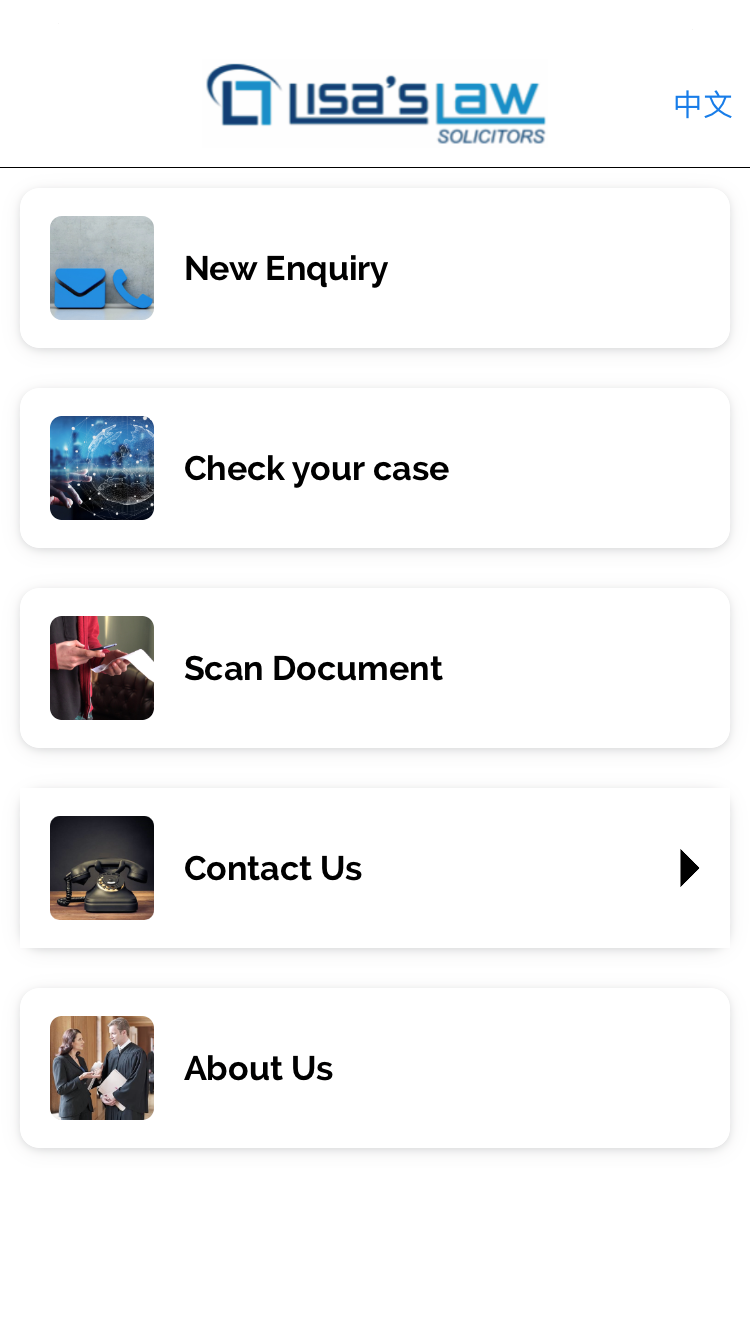
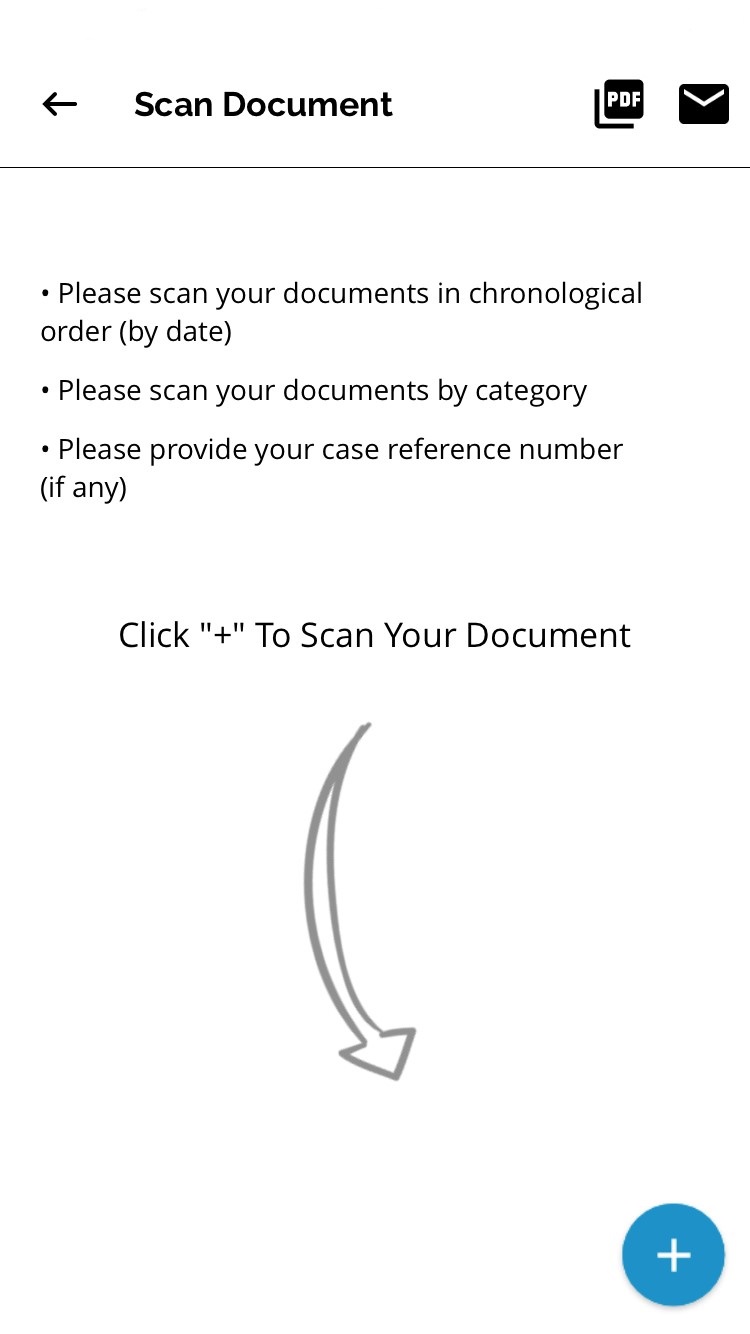
Or, why not download our free app today? You can launch a new enquiry, scan over documents and much more.


If you have an iPhone, follow this link to download.


If you use an Android phone, follow this link to download. 


Find the link here if you need some further instructions on how to use our new app!


author avatar
James Cook

The police are doing a fantastic job on the front-lines of this crisis, and deserve a huge amount of respect, gratitude and empathy from the general public. What is already a massively demanding job has been made much tougher due to the COVID-19 outbreak. It is no surprise that the Thursday public clapping for the NHS, which now takes place every week, is filled with people rallying together in support of the police as well as the NHS, and all the other frontline workers.


Rules about socialising during the COVID-19 lockdown:


Individuals will only be allowed to leave their home for the following very limited purposes:


  • shopping for basic necessities, for example food and medicine, which must be as infrequent as possible
  • going out for one form of exercise a day, for example a run, walk, or cycle – alone or with members of your household
  • any medical need, or to provide care or to help a vulnerable person
  • travelling to and from work, but only where you cannot work from home


You cannot meet friends or family who do not live with you.


Participating in gatherings of more than two people in public spaces is also not permitted except in very limited circumstances, for example, where it is for essential work purposes.


How can the police enforce these rules?


To ensure people stay at home and avoid non-essential travel, if members of the public do not comply the police may:


  • instruct them to go home, leave an area or disperse
  • close businesses which remain open when they do not qualify as essential
  • detain someone to be tested if they are believed to be infected with COVID-19
  • ensure parents are taking necessary steps to stop their children breaking these rules
  • issue a fixed penalty notice of £60, which will be lowered to £30 if paid within 14 days
  • issue a fixed penalty notice of £120 for second time offenders, doubling on each further repeat offence


Individuals who do not pay a fixed penalty notice under the regulations could be taken to court, with magistrates able to impose unlimited fines.


If an individual continues to refuse to comply, they will be acting unlawfully, and the police may arrest them where deemed proportionate and necessary.


The police have said they are following ‘The Four E’s: Engage. Explain. Encourage. Enforce.’


These four E’s broken down are as followed:


  • Engage with people – ask them why they are out
  • Explain the law and the need to be inside, stressing the risks to public health and the NHS
  • Encourage them to go home if they have no reasonable excuse
  • Enforce only as a last resort


It must be said, the police are there to keep us all safe. There must be clear rules for everyone, and everyone must do their best to follow them.

But remember, it isn’t against the law for you to leave your home!


Police cannot order you to go home if you are out helping someone else with their care, off to the doctor, or carrying out another public service. You are even allowed to go shopping for other people, who are unable to do so themselves.


It is important to note that it is not a crime to leave your home to flee harm – for example, domestic abuse. There is further government guidance on what to do in a domestic abuse situation here.


The National Police Chiefs Council has urged people to use their common sense – by thinking about whether they should leave home. And it wants officers to exercise their discretion by focusing on the law’s aim and purpose: to keep people safe.


Can the police take their authority too far?


It is not uncommon for people to feel victimised by the police, and these people must be given a fair chance to voice their issues surrounding the way police have treated them.


Common complaints are:


  • Police have used excessive force
  • Police have discriminated against someone due to their race/ethnicity
  • Police have misunderstood a situation
  • Police have taken action you deem incorrect


It is important to report issues such as these if you have experienced them. We all have the right to challenge police, but it must only be done through the proper channels.


Have questions, or feel like you have been treated unfairly by police? Contact us!


We are operating as usual, and you can reach us on 020 7928 0276 or email in to [email protected].


Or, why not download our free app today? You can launch a new enquiry, scan over documents and much more.


If you have an iPhone, follow this link to download.


If you use an Android phone, follow this link to download. 


Find the link here if you need some further instructions on how to use our new app!


author avatar
James Cook

COVID-19 has taken the world by storm, and has now solidified itself as one of the largest global catastrophes to occur in recent history.


For the vast majority of people in the UK, the worries that come with the virus are universal: worrying about the health of family members and themselves, having to self-isolate, avoiding loved ones, being unable to work.


However, for a percentage of the migrant population in the UK there are extra concerns. Many of them will have restrictions on their visas or leave which prohibits them from claiming public funds. The virus makes them extremely vulnerable.


Change of Conditions


The Home Office may have recognised this. They have just updated their policies which will allow migrants to apply to remove the restriction on public funds, should it be needed.


The updated policies provide information for how certain migrants, in certain situations can apply for financial support from the government, provided they can prove they meet the requirements.


Who is eligible?


Applicants must have already been granted leave to remain in the UK based on their family or private life.


You can apply for a change to your conditions if:


  • your financial circumstances have changed since being given permission to stay in the UK and you are no longer able to provide food or housing for yourself or your family
  • your child is at risk because of your very low income
  • you had financial problems when you first applied but you did not provide evidence of this and you now want to provide this evidence


However, it is not quite as simple as this. There are also the following requirements:


Your leave must be granted under either:


  • the 10 year partner, parent or private life route, where the applicant claims that refusal of that application for leave to remain would breach their rights (or the rights of other specified persons) under European Convention on Human Rights (ECHR) Article 8 (the right to respect for private and family life)


or,


  • you have leave to remain on the basis of other ECHR right


or,


  • you have leave to remain under the 5 year partner/parent route but if your application has been accepted you would be considered to have moved on to the 10 year route to settlement and as such any future applications for leave will be considered under the 10 year route.


Essentially, this option is only open for migrants in the UK under Discretionary Leave (DL).


What about other visa holders?


In what is a seemingly unfair move, especially at this time, all other visa types, including PBS (Points Based System) visas such as Tier 1 and Tier 2, are excluded from this policy.


For these visa categories, which cannot receive benefits usually, they still have no way to temporarily obtain the right to receive benefits by applying to remove the restriction to public funds.


Is this fair?


It does leave us wondering, why cannot the Home Office at least lift these restrictions on other visa holders just while the coronavirus is still having a huge global effect? That way they can have the right to at least apply for support without being massively punished in the future. Then, when everything returns to normal, the old rules can be reinstated.


It appears that the Home Office is still being rather harsh on a large number of migrants during this time.


For those who are eligible, what kind of conditions are needed for qualification?


You will qualify for an amendment to your conditions of leave only if:


  • you are destitute
  • there are particularly compelling reasons relating to the welfare of your child on account of your very low income
  • there are exceptional circumstances in your case relating to your financial circumstances


A person is destitute if:


  • they do not have adequate accommodation or any means of obtaining it (whether or not their other essential living needs are met)
  • they have adequate accommodation or the means of obtaining it, but cannot meet their other essential living needs


You will have to provide evidence


According to our own past experience in processing similar applications, the Home Office usually conducts a rigorous review of the applicant’s income status. In order to ensure the success of the application, the applicant need to make a detailed explanation of each of their relatively large expenses, and provide corresponding evidence.


In order to make the request for an amendment to the conditions of your leave you must:


  • complete your application online
  • provide your existing Biometric Residence Permit (BRP) where relevant, or passport (including your Leave to Remain vignette where relevant)
  • include documentary evidence that you meet the policy on granting recourse to public funds


It is up to you to provide sufficient evidence to satisfy the caseworker that you meet the terms of the policy. If insufficient evidence is provided, the conditions of your leave will not normally be changed.


You should provide evidence of your financial circumstances and living arrangements. This should include documents that are applicable to your individual circumstances.


This can include the following (the more you provide, the stronger your case):


  • 6 months bank statements for all accounts held by all members of your household, even those belonging to children or ones that are rarely used. These should be fully annotated to explain significant/regular transactions
  • recent pay slips accounting for the last 6 months
  • breakdown of monthly income and expenditure
  • recent tenancy agreement or mortgage statement
  • recent utility and other relevant bills
  • recent P45 / P60
  • letter confirming duration of employment, the hours worked and salary (the person writing should state their position in the company and provide contact details)
  • recent letter from Local Authority confirming that support is being provided
  • recent letter from registered charity or other organisation providing support
  • recent letters from family or friends who are providing support, giving full details regarding the extent of this and how often it is provided
  • recent letter confirming that you or your spouse or partner is in receipt of public funds


You will need to explain what your current financial circumstances are, how these may have changed, and how you are currently maintaining yourself.


Help with the online application


The Home Office have provided some extra assistance for people who require some help with the online part of the application.


If you are in the UK, you can get help filling in your online Home Office application if you:


  • do not feel confident using a computer or mobile devices
  • do not have internet access


This is known as ‘Assisted Digital’ support and can be used for help with any Home Office application.


What type of help you can get?


You can get phone support from an adviser.


‘We Are Digital’ provide the support. You may need to book a phone appointment with them.


We Are Digital
[email protected]
Telephone: 03333 445 675
Monday to Friday, 9am to 6pm
Saturday, 9am to 4pm


Have questions, or need more help? Contact us!


We understand that applications such as this can be stressful, but we are always here to help.


We are operating as usual, and you can reach us on 020 7928 0276 or email in to [email protected].


Or, why not download our free app today? You can launch a new enquiry, scan over documents and much more.


If you have an iPhone, follow this link to download.


If you use an Android phone, follow this link to download. 


Find the link here if you need some further instructions on how to use our new app!


author avatar
James Cook

First things first, what does it mean to be furloughed?


Furloughing means an employee’s job is put on hold. The Coronavirus Job Retention Scheme allows firms to put employees on furlough, meaning they do not work but still get paid by the employer with money provided by the state.


The government will cover up to 80% of the employee’s wage (up to a maximum of £2,500 per month), and then the employer can add the extra 20% if they wish, but they do not have to.


It is a grant, not a loan. This means whatever is granted does not have to be repaid.


How can I apply to be furloughed?


It is important to remember that individual employees cannot apply to be furloughed – they can only be furloughed by their employer. This means it is completely up to them if they allow their workers to be furloughed or not. So, you must ask your employer if you could be furloughed.


You need to have been on your employer’s payroll on 19 March 2020. When the scheme was launched, it applied to those on their employer’s payroll by 28 February 2020. However, the Treasury extended the scheme to include people who were on a company’s payroll on 19 March 2020 and which were notified to HMRC on an RTI submission on or before this date.


If you were added to the company’s payroll after this date, you may not be eligible to be furloughed.


The scheme will now run until at least the end of October 2020 with changes due in July . Companies are to be asked to start sharing the cost from the start of August, which could see employers to pay a fifth of furloughed workers’ salaries and NI contributions.


Your rights remain the same as a furloughed employee, meaning you are still entitled to things such as statutory sick pay or maternity pay, as well as redundancy payments.


How is 80% of employees’ wages calculated?


The government site now has a wage calculator which employers can use to figure out what 80% of their employees’ wages is, you can see it here.


The grant paid to your employer will be calculated based on your regular, contractual pay. It will include:


  • Regular wages. These are the normal wages or salary set out in your contract for doing your job.
  • Non-discretionary overtime. This applies to guaranteed overtime set out in your contract.
  • Non-discretionary fees. These are fees your employer has contractually agreed to pay for you. For example: chartered membership fees if your role requires you to be part of a professional association.
  • Non-discretionary commission. This is commission that is promised to you in your contract. For example: a certain proportion of a houses sale price for estate agents.


If your pay varies from month to month – for example, because you are employed on a ‘zero-hour’ contract or you are a freelance worker– the 80% will be calculated based the higher of:


– Your earnings in the same month of the previous year.


– OR your average monthly earnings from the 2019/20 tax year.


If you have worked for your employer for less than a year, it will be calculated based on your average monthly earnings while you have worked there. And if you only started with your employer in the last month, your employer will pro-rata your earnings so far and furlough will be 80% of that.


When will the money be available to employers?


The scheme has opened to employers today, and the first payments are scheduled to be made within six working days. This is to allow for some delays, including fraud checks and transfer times.


Payments, if all goes to plan, should begin to come through on 27 or 28 April. This first payment will cover March and April’s wages for eligible furloughed employees.


What do employers need to do?


Two important resources for employers are the wage calculator which we mentioned before, and the furlough scheme pay portal.


You will need the Government Gateway user ID and password you got when you registered for PAYE online.


In order to make a claim within this furlough scheme, you will need the following information:


  • to be registered for PAYE online
  • your UK bank account number and sort code
  • your employer PAYE scheme reference number
  • the number of employees being furloughed
  • each employee’s National Insurance number
  • each employee’s payroll or employee number (optional)
  • the start date and end date of the claim
  • the full amount you are claiming for including employer National Insurance contributions and employer minimum pension contributions
  • your phone number
  • contact name


You also need to provide either:


  • your name (or the employer’s name if you’re an agent)
  • your Corporation Tax unique taxpayer reference
  • your Self Assessment unique taxpayer reference
  • your company registration number


If you are putting more than 100 employees on furlough


If you are claiming for more than 100 furloughed employees, you will need to upload a file containing each employee’s:


  • full name
  • National Insurance number
  • payroll number (optional)
  • furlough start date
  • furlough end date (if known)
  • full amount claimed


The format of the file you upload must be either:


  • .xls
  • .xlsx
  • .csv
  • .ods


There is a step-by-step guide on how to furlough employees issued by the government here.


But, is furloughing a good thing?


Furloughing is more beneficial for employees than redundancy or unpaid leave, as it allows them to still be paid nearly as much as they would usually, and also means they keep their jobs amid the coronavirus crisis. Employers are not doing anything wrong by furloughing, in fact they are doing the right thing. The government’s aim is to ‘protect financial victims of coronavirus’ and ‘enable firms and employees to quickly pick up where they were, once this all ends’. Essentially, if an employee requests to be furloughed, it makes sense for the employer to try and arrange it.


Have more questions? Contact us!


We are operating as usual, and you can reach us on 020 7928 0276 or email in to [email protected].


Or, why not download our free app today? You can launch a new enquiry, scan over documents and much more.


If you have an iPhone, follow this link to download.


If you use an Android phone, follow this link to download. 


Find the link here if you need some further instructions on how to use our new app!


author avatar
James Cook

Issues bred from COVID-19 surrounding employment are some of the most vital, as peoples livelihoods may be affected.


This article aims to answer some of the frequently asked questions we have seen to do with coronavirus and employment.


Can an employer lay off employees?


The virus has caused countless businesses to lose revenue. Therefore, the brief answer to this question is yes; however, the process of selecting and deciding which employees’ get the cut has to be fair and transparent, otherwise, it may result in unlawful dismissal.


When making such decisions, the employer may have to take into consideration factors like each relevant employee’s age, qualification, performance, position, and location. If prompted, the employer may have to give adequate reasons as to why one is laid off and another not.


Can an employer an put employee on furlough?


Of course, provided they are eligible; however, once again the selection process will have to be reasonable and the criteria transparent. The employer may have to consider the impact of furlough leave on relevant employees as well as the company’s needs. It can never be a random selection; otherwise, it may of course lead to complaints and even constructive dismissal.


How does the UK’s furlough scheme work?


Companies can now furlough employees rather than fire them. Through this scheme, the government will pay at least 80 per cent of the furloughed employee’s regular monthly wages, up to a maximum of £2,500 per month. Anyone that has been on their employer’s PAYE payroll before or on 28 February 2020 can be furloughed and claim for their wages through the Coronavirus Job Retention Scheme. This includes people on zero hour’s contracts and those working flexibly.


Employers may inform their employees they are being furloughed, and in some cases employees may volunteer for it.


Can an employer request an employee come to work during this time?


The answer is yes, provided that the business requires them; however, the employer does have duty to consider employees’ health and safety. This includes considering whether homeworking can be a possibility and alternative. This consideration is part of the employer’s duty not only to comply with the government guidance that unless it is essential, people should not travel to work, but also to protect employees from unnecessary harm. Any decision to request employees to come to work will have to be reasonable and proportionate. Even if there is a genuine and essential need for employees to come to work, the employer still has a duty to consider how to protect employees’ health and safety at workplace.


Sanitary hand-wash, face masks, protective gloves and other equipment should be made available to employees if requested. If not all the employees are required to come to work, a fair, reasonable and transparent selection process will have to be carried out to decide who should be requested to come to work, how frequently and on what basis.


If the above are not complied with, there may be risk for the employer to be sued for personal injuries and/or constructive dismissal.


Can employees refuse to come to work when requested?


The simple answer may be a no, provided the employer has acted reasonably as listed above. If the government has not ordered the employer to shut down and there is an essential need for the employer to continue to run the business, it will be difficult for employees to rely on the force majeure clause to refuse to work.


It is likely to be a material breach of the employee’s contract with the employer, which may entitle the employer to dismiss the employee with notice or even summarily. Of course, as stated above, if the employer’s decision to request the employee to come to work is unreasonable, disproportionate and flawed, it may give rise to a ground of constructive dismissal for employees to challenge the employer’s request.


Want to know more? Contact us!


We are operating as usual, and you can reach us on 020 7928 0276 or email in to [email protected].


Or, why not download our free app today? You can launch a new enquiry, scan over documents and much more.


If you have an iPhone, follow this link to download.


If you use an Android phone, follow this link to download. 


Find the link here if you need some further instructions on how to use our new app!


author avatar
James Cook

The outbreak of COVID-19 has hit everyone hard, but none harder than the incredible NHS staff who are risking their lives every day in order to look after others.


We are hugely lucky to have the NHS, not only in hard times such as the ones we currently find ourselves in, but every day. They are the backbone of our society, always there for us when we need them most, providing unquestioning and selfless care.


It is with this in mind that we are offering 50 free wills to NHS staff, as a small token of gratitude for the huge sacrifices they are making.

Contact us through our new app:


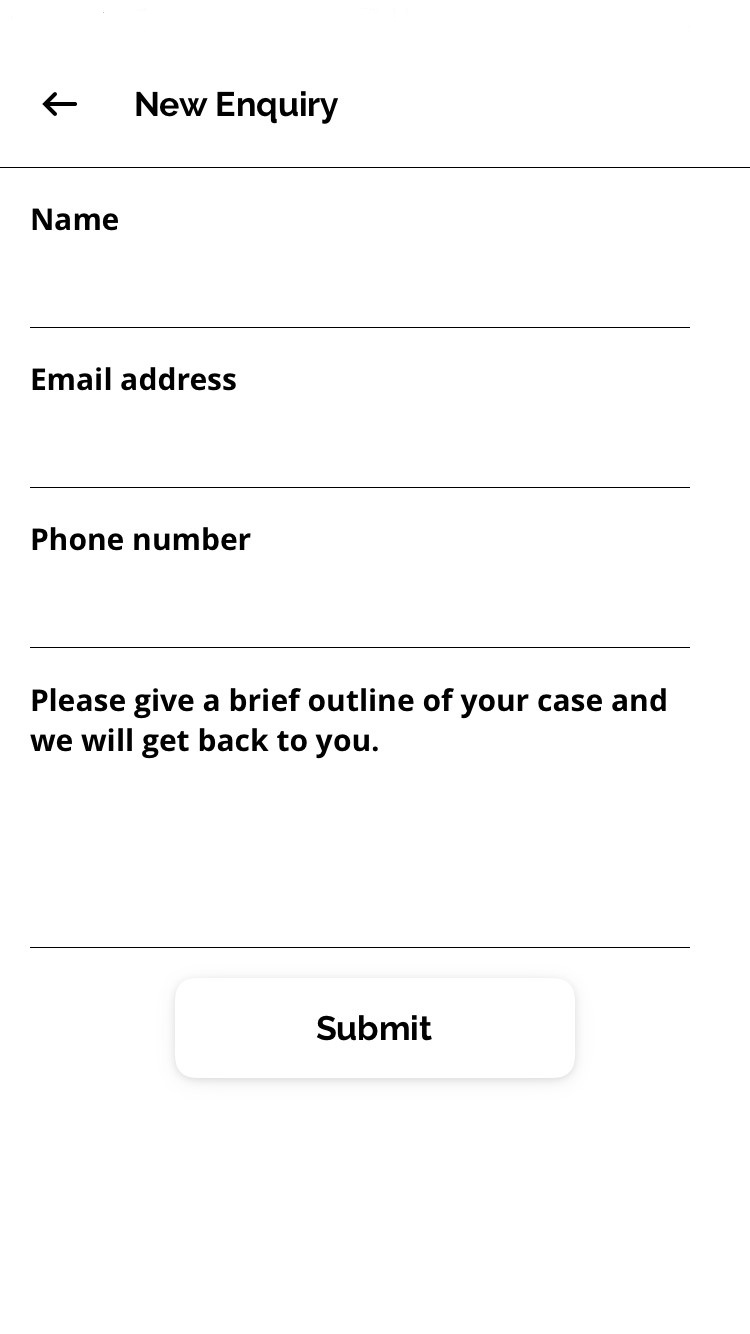
You can easily contact us through our new app, which is completely free to download and incredibly easy to use. Just click New Enquiry and ask about our free will service, or any other legal service you may need.


If you have an iPhone, follow this link to download.


If you use an Android phone, follow this link to download. 


Alternative ways to contact us:


You can also get in contact with on 020 7928 0276 or email [email protected] and one of our specialist caseworkers will take you through everything, from start to finish.


Thank you NHS!


Lisa’s Law will always stand with the NHS. From the bottom of our hearts, we thank you for all of the amazing work you do. Let’s get through this together.

author avatar
James Cook

During the current situation with COVID-19 guidance around employee and employer sponsorship schemes are in a constant state of flux.


The guidance has been updated yet again. The latest changes are as followed:

Completing a visa application in the UK


  • UK Visa and Citizenship Application Centres (UKVCAS) and Service and Support Centres (SSCs) are temporarily closed because of coronavirus (COVID-19). An individual’s immigration status will not be negatively affected as a result of them not being able to attend an appointment.
  • If an individual has already made an appointment to attend a UKVCAS service point, or a Service and Support Centre (SSC), they’ll be contacted and told what to do next. Their immigration status will not be negatively affected as a result of them not being able to attend an appointment.
  • Once an applicant has submitted their application online, the terms of their leave will remain the same as they were at the point of application. Applicants will be in the UK lawfully and no-one will be subject to immigration action if they are unable to attend a biometric appointment or if there are delays in processing their application.


Sponsoring an employee or student who is waiting for a decision on an application 


  • Students (Tier 4)

    Sponsors may allow students to start their studies before their visa application has been decided if:

    • sponsors are a Tier 4 sponsor (other than Tier 4 Legacy Sponsors)
    • sponsors have assigned the student a Confirmation of Acceptance for Studies (CAS)
    • the student submitted their application before their current visa expired and has shown their sponsor evidence of this
    • the course they start is the same as the one listed on their CAS
    • the student has a valid Academic Technology Approval Scheme (ATAS) certificate if required


A sponsor’s reporting responsibilities start from the date that sponsors issue the CAS, not from the date that their application is granted.


If the student’s application is eventually rejected as invalid or refused sponsors must terminate the student’s studies.


  • Workers (Tier 2 and 5)


Sponsors may allow employees to start work before their visa application has been decided if:


    • sponsors have assigned them a Certificate of Sponsorship (CoS)
    • the employee submitted their visa application before their current visa expired
    • the role they are employed in is the same as the one on their CoS


Sponsors reporting responsibilities for an employee start from the date the sponsor have assigned them a CoS, not from the date that their application is granted.


Sponsors will not be able to report information to the Home Office using the sponsor management system. Sponsors must however ensure that they record and maintain all the relevant information set out in the sponsor guidance on their own systems. Any changes that will impact the eventual consideration of the migrant’s visa application should be updated on the Certificate of Sponsorship, as normal.

If the employee’s application is eventually rejected as invalid or refused, sponsors must terminate their employment.


Doctors, nurses or paramedics working or volunteering in the NHS


  • An individual’s visa will be automatically extended by one year if it is due to expire before 1 October 2020. Family members with a visa due to expire before 1 October 2020 will also have their visa extended.
  • The extension is free and they will not have to pay the immigration health surcharge.
  • Individuals do not need to apply. We will contact NHS employers to identify staff eligible for this extension. We will notify the individual and their employer if they have received an automatic extension.
  • There is no longer a limit on the number of hours an individual can work or volunteer each week if they work for the NHS as a doctor, nurse or paramedic and they are a:
    • Tier 4 student
    • Tier 2 worker and their NHS job is a second job
    • visiting academic researcher
    • holder of a short-term visa and are permitted to volunteer
  • If an individual is a pre-registration nurse currently in the UK, the deadline for them to sit the Occupational Structured Clinical Examination (OSCE) has been extended to 31 December 2020


Have any questions? Contact us!


We are operating as usual, and you can reach us on 020 7928 0276 or email in to [email protected].


Or, why not download our free app today? You can launch a new enquiry, scan over documents and much more.


If you have an iPhone, follow this link to download.


If you use an Android phone, follow this link to download. 


Find the link here if you need some further instructions on how to use our new app!


author avatar
James Cook

The following article was written by Salina Lim of our Conveyancing team. 


Commercial tenants and landlords have an ongoing relationship in relation to lease terms despite the impact of COVID-19 on the economy on a global scale. This article touches on the various battles that tenants may endure against landlords, and vice versa during the current pandemic.


Generally each commercial lease is worded differently. It is imperative to seek proper legal advice on the individual lease before taking any action.


If the law is taken into your own hands, you may run the risk of serious legal consequences. For instance, the offender may be subject to legal action and struck with financial penalty for a breach of the lease.


Having a high level of awareness is key to this predicament in making a proper decision which could save considerable costs in respect of landlord-tenant disputes.


We have put together a couple of considerations for landlords and tenants during this crisis; they are as follows:


Rent and other charges due and payable


Tenants should be mindful that rent, service charge and other monies (if any) due under their lease continue to be payable despite the coronavirus outbreak. If the tenant has difficulty paying rent, it may be worth having a discussion with the landlord to suspend, defer rent or seek a rent concession before it falls due. If both parties agree, the negotiations should be formally documented in writing.


Landlords may choose to suspend, defer rent or provide a rent concession for a certain period (subject to review) to avoid the tenant becoming bankrupt or insolvent. Before the landlord makes a decision, it is highly recommended that independent legal advice is sought to protect the landlord’s best interests in light of the current situation.


Insurance implications on the business premises


It is fundamental that the tenant checks their current insurance and policy schedule to determine if any business losses suffered due to ‘notifiable diseases’ are covered.


For landlords, please note that a loss of rent under the insurance policy may not be covered due to a ‘non-physical damage’ event i.e. COVID-19. Generally speaking, insurance cover for loss of rent tends to be effective when the premises cannot be occupied due to an insured risk with physical damage or access.


Termination of lease as a result of COVID-19


A tenant may not end a lease unless they have right to do so, for instance, by exercising the break clause, if available. The tenant should check with their solicitor if there is a break clause and whether it may be exercised or not. If a break clause does not appear in the lease, the lease conditions will continue to apply to the tenants and landlords as per usual and must be strictly complied with.


Tenants should check whether they have a ‘force majeure’ clause as it may possibly allow the tenant to not perform their obligations under the lease due to the lockdown set by the Government since the tenant cannot to run their business.  However, a force majeure clause rarely ceases to exist in most commercial leases.


Landlords should be aware that the Government has currently implemented protective measures in favour of tenants. This means that no businesses will be forced out of their premises for non-payment of rent up to 30 June 2020 or as to further extend the period (subject to change). This protective measure impacts the Landlord’s rights to exercise forfeiture (the loss of property due to a breach of obligation under the lease).


Where do we go from here?


This article is current as of 14 April 2020, particularly if there are any changes to the law. If you would like current legal advice on your commercial lease, please get in touch with Lisa’s Law Solicitors to offer you specialist advice.


Contact us!


We are operating as usual, and you can reach us on 020 7928 0276 or email in to [email protected].


Or, why not download our free app today? You can launch a new enquiry, scan over documents and much more.


If you have an iPhone, follow this link to download.


If you use an Android phone, follow this link to download. 


Find the link here if you need some further instructions on how to use our new app!


author avatar
James Cook

With the restrictions in place regarding social distancing, hearings are now largely taking place through video technology or over the phone. Below are some tips on how to make this process easier for everyone involved, as well as some guidance around the rules for regular hearings which still must be followed during video and telephone proceedings.


Deciding which hearings will take place:


The courts or tribunal will decide which hearings will take place over the phone or via video.


Both phone and video hearings are free of charge.


The Courts and Tribunal Service (HMCTS) will contact you by post or email to:


  • let you know if your hearing will take place by video or phone
  • confirm the time and date of the hearing
  • ask for your preferred phone number or email
  • ask if you need any support to join the hearing

Deciding how the hearing will take place:


The judge or magistrates will decide on the method for the hearing. Hearings will only take place by video or phone if they’re satisfied it’s in the interests of justice for everyone involved.


To make the decision, they will consider:


  • the details of the case
  • the type of hearing, and how complex it may be
  • information you’ve given to the court that may affect you taking part in a phone or video hearing

Some tips on how to prepare:


Firstly, make sure you are in a quiet environment where you will not be disturbed. Tell people you live with that you need an area to yourself for the duration of the hearing.


If you have children it could be a good idea to have a trusted family member or close friend watch them for the duration of the hearing.


If you are taking part in a hearing with a legal representative, agree in advance how you will communicate confidentially during the hearing.


If you need to have someone with you who is not a legal representative, you must ask the court’s permission.


Phone hearing:


If you are taking part in a hearing over the phone, make sure the device you will be using is fully charged so that you are not cut off in the middle of it. It is also a good idea to test the device beforehand to make sure it is working correctly.


Video hearing:


If your hearing is conducted via video, with a laptop set your screen at 90 degrees to the keyboard so your face can be seen properly. Also, make sure your face is not in the shadow and you can be clearly seen and identified. Try to make the background as blank as possible, for example sitting in front of a plain wall in your house is ideal.


Rules of the courtroom still stand:


Everyone must follow the same rules as in a courtroom. This means:


  • only drink water
  • no eating
  • no smoking or e-cigarettes
  • follow the court or tribunal’s instructions


Also, it is a criminal offence to record or publish any court hearing without authorisation.


So be certain nobody is recording with or without your permission. It is better to be in a room which is secure. Where possible, sit so that your screen is not visible to anyone else.


Support:


If you need an interpreter or other support to join the hearing, you should notify the HMCTS using the contact details in your hearing notice.


If you cannot join the hearing:


Again, let the HMCTS know by using the contact details on your hearing notice. The court will decide whether the hearing may:


  • go ahead without you
  • be scheduled for a later date


If you do not join the hearing, the case could proceed in your absence.


If you need any advice you can always call Lisa’s Law on 020 7928 0276 or email in to [email protected]. We are always here to help.


Joining by CVP, Skype or BT Meet Me:


Your hearing notice will state if your hearing will take place by phone or video and whether it will be by CVP, Skype or BT MeetMe.


It will also tell you the time and date of your hearing.


How to join by BT meet me phone call:


HMCTS will call you from an unknown number at the time of the hearing. If you use call barring services, turn them off so they can reach you.


When they call you, you’ll hear a welcome message saying you are invited to join a conference call.


To join:


  • press ‘*’ (star) key and number one to join
  • say your name
  • press the ‘#’ (hash) key
  • once you’re in the hearing, stay on mute until you’re asked to speak


At the start of the hearing, a member of staff will introduce themselves and explain how the hearing will work and what you need to do.


How to join by Cloud Video Platform (CVP):


Once the HMCTS have received your preferred contact details you will receive an email with a website link and sign in details. Check your spam folder if you have not received it.


To join the video hearing:


  • Download Google Chrome as this is the preferred browser
  • copy the link into Google Chrome and click ‘enter’
  • type in your full name, click the camera icon to connect with audio and video, then click ‘connect’
  • select default microphone and camera options then click ‘start’
  • enter the PIN given in the email invitation and click ‘connect’
  • when you join you’ll be in the waiting area until the hearing starts.


At the start of the hearing, a member of staff will introduce themselves and explain how the hearing will work and what you need to do.


How to join by Skype for Business:


Once you’ve told HMCTS your preferred contact details you will receive an email with a web link to join the hearing. Check your spam folder if you have not received it.


To join the video hearing:


  • Download Skype for Business software on the device you will use to join the hearing. Check this step by step guide on how to download it
  • click on the Skype for Business link in your email
  • join as a guest and when asked, type in your full name
  • wait in the Skype lobby until the chairperson invites you into the hearing
  • stay on mute with your video off until you are asked to speak or turn the video on


At the start of the hearing, a member of staff will introduce themselves and explain how the hearing will work and what you need to do.


After the hearing:


The judge or the person in charge of the proceedings will:


  • check they have dealt with all the issues raised
  • tell you when you can expect a decision
  • confirm the hearing is finished and tell you when you may leave the call

Recording and transcript


The process for recording video hearings will be the same as for hearings held in a court building. Where hearings are recorded, you can apply for a transcript.


Need more advice? Contact us!


We understand how stressful these meetings can be, and it is our job to make you feel as comfortable and prepared as possible.


We are operating as usual, and you can reach us on 020 7928 0276 or email in to [email protected].


Or, why not download our free app today? You can launch a new enquiry, scan over documents and much more.


If you have an iPhone, follow this link to download.


If you use an Android phone, follow this link to download. 


Find the link here if you need some further instructions on how to use our new app!

author avatar
James Cook

Act now! First 50 applicants will receive 50% discount on our Professional Will Writing Services!


One of our caseworkers has generously chosen to donate their hard-earned bonus to help fund clients in making their wills during these uncertain times, so we are offering half price wills to the first 50 clients who contact us in April. 


For just £75 +VAT you can have your will drafted and executed by a legal professional, ensuring that your loved ones are protected and your estate is dealt with according to your precise instruction.


All we ask in return is that you ask 2 friends to download our new Lisa’s Law App, and send us screenshots showing the app on their devices.


Interested? Please download our app for free from either the Apple or Android store (links below). Then simply send us your name, telephone number and email address using the New Enquiry function in the app, quoting this 50% off will drafting deal. We will then contact you back.


If you are not one of the first lucky 50 you can still instruct us to draft your will in April at the discounted fee of £135 + VAT, our standard single wills are £150 + VAT.


Stay safe and instruct us online!


Lisa’s Law Solicitors

author avatar
James Cook

Have a question? Our friendly and experienced team are here to help.

Subscribe to our newsletter

We post weekly articles covering a variety of topics, including immigration, property, and more, so subscribe to our newsletter for the latest updates. 

Subscribe Newsletter Blog Sidebar

This field is for validation purposes and should be left unchanged.
Untitled(Required)